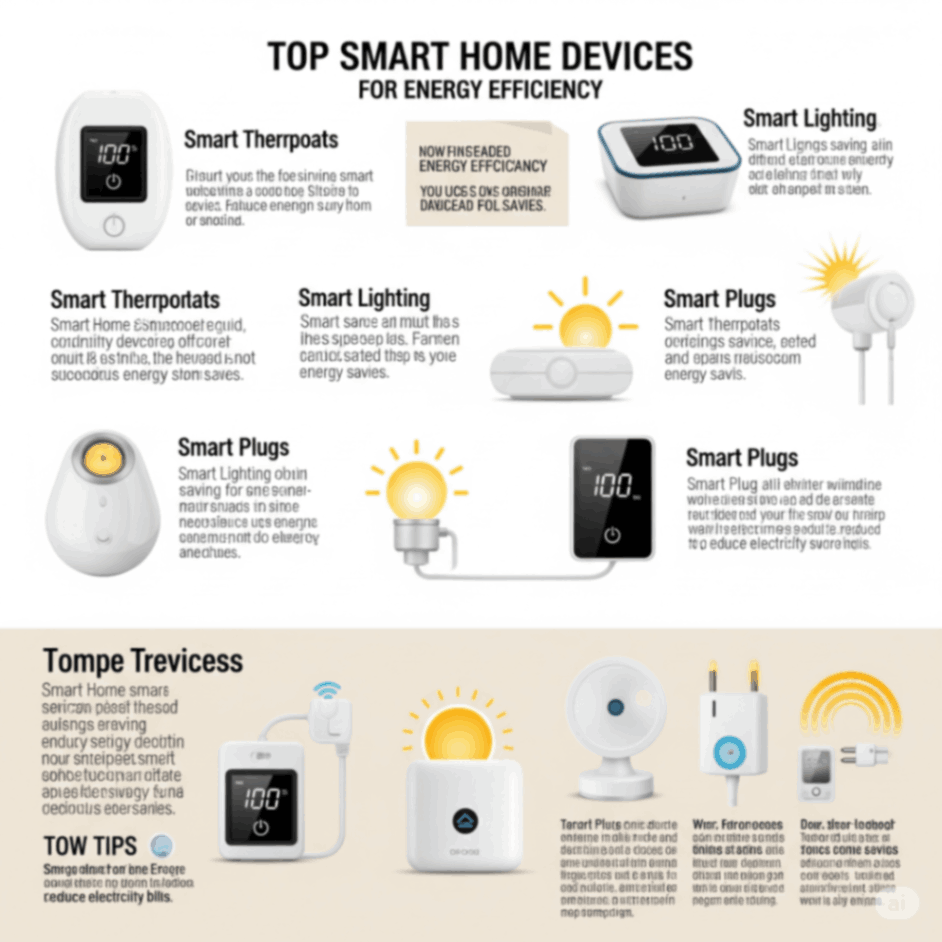
Top Smart Home Devices for Energy Efficiency

0
Smart home devices for energy saving
energy-efficient smart gadgets

Introduction

As the demand for energy-efficient solutions continues to grow, many homeowners are turning to smart home devices to reduce energy consumption and lower utility bills. With advancements in technology, it’s now easier than ever to optimize energy use through automated systems that control lighting, heating, cooling, and other household functions.

In this article, we will explore some of the top smart home devices for energy efficiency. We will highlight key features, benefits, and how these devices can help you save money while making your home more eco-friendly. Whether you’re looking to install smart thermostats, energy-efficient lighting, or smart appliances, there’s a range of solutions available to fit your needs.

Why Focus on Energy Efficiency in Smart Homes?

Energy efficiency is not just about saving money; it’s also about contributing to a sustainable future. According to the International Energy Agency (IEA), energy-efficient technologies in homes and buildings have a significant role to play in reducing global carbon emissions.

By adopting smart home devices that help manage energy use, you can:

  • Reduce Energy Costs: Smart devices automate energy usage, ensuring that you’re only consuming power when necessary.

  • Lower Carbon Footprint: Efficient energy usage helps reduce the environmental impact of your household.

  • Enhance Comfort and Convenience: Many smart home devices offer features that adapt to your lifestyle, providing both efficiency and comfort.

Top Smart Home Devices for Energy Efficiency

1. Smart Thermostats

Smart thermostats are one of the most popular energy-efficient devices for homes. They allow you to control your home’s heating and cooling systems remotely, optimizing energy use throughout the day. These devices learn your preferences and adjust settings automatically based on your schedule, ensuring comfort without wasting energy.

Key Benefits:

  • Remote Control: Adjust your thermostat from anywhere via a smartphone app.

  • Energy Savings: By optimizing temperature settings based on your habits, smart thermostats can save homeowners up to 10-15% on heating and cooling costs annually.

  • Learning Capabilities: Some models, like the Nest Learning Thermostat, can learn your schedule and automatically adjust the temperature, reducing unnecessary energy consumption.

Smart Thermostat Model Key Feature Energy Efficiency Benefit
Nest Learning Thermostat Learns your schedule and adjusts the temperature accordingly. Saves up to 15% on heating and cooling costs.
Ecobee SmartThermostat Includes a room sensor to optimize temperature in different rooms. Reduces energy costs by optimizing heating/cooling efficiency.
Honeywell Home T9 Smart thermostat with geofencing technology for remote control. Cuts energy use by automatically adjusting temperature based on occupancy.

Lighting can account for a significant portion of your household’s energy consumption. Smart lighting systems, such as Philips Hue and LIFX, enable you to control the brightness and color of your lights, set schedules, and automate lighting based on occupancy. These devices help minimize energy waste and can create a more comfortable, personalized environment in your home.

Key Benefits:

  • Remote Control: Turn lights on and off, dim them, or change their color from your smartphone, even when you’re not home.

  • Motion Sensors: Some systems include motion sensors that automatically turn off lights when no one is present, saving energy.

  • Energy-Efficient Bulbs: Many smart lighting systems use LED bulbs, which consume far less energy than traditional incandescent bulbs.

Smart Lighting Model Key Feature Energy Efficiency Benefit
Philips Hue Customizable, app-controlled lighting system. Reduces energy consumption with dimmable LEDs and automation.
LIFX Wi-Fi-enabled bulbs with a wide color range and scheduling features. LED bulbs use up to 80% less energy than incandescent bulbs.
Wyze Bulb Affordable smart bulbs with app control and scheduling. Automatically adjusts brightness based on time of day.

Smart plugs and power strips are simple but highly effective devices for reducing energy consumption. These devices allow you to control electronic devices remotely and set schedules for when they should be powered on or off.

Key Benefits:

  • Remote Control: Turn appliances on or off using a smartphone app, even when you’re away from home.

  • Energy Monitoring: Some smart plugs, like TP-Link Kasa Smart Plug, track the energy usage of connected devices, providing insights into where you can save.

  • Scheduling: Set schedules to turn off devices when not in use, preventing “phantom” energy use from electronics that are plugged in but not actively being used.

Smart Plug Model Key Feature Energy Efficiency Benefit
TP-Link Kasa Smart Plug Energy monitoring, remote control via app. Cuts energy waste by allowing users to track and schedule appliance use.
Wemo Mini Smart Plug Compact plug with voice control and scheduling. Reduces energy waste by scheduling devices to turn off automatically.
Eve Energy Smart Plug Tracks energy consumption and provides insights. Helps monitor and reduce energy usage by providing detailed data on connected devices.

Smart appliances, including refrigerators, washing machines, and ovens, are becoming increasingly popular in energy-efficient homes. These appliances can be controlled remotely, schedule tasks, and optimize energy use, making them more efficient than their traditional counterparts.

Key Benefits:

  • Energy Monitoring: Many smart appliances, such as Samsung’s Smart Fridge, allow you to monitor their energy consumption and adjust settings to reduce usage.

  • Remote Control: Start your washing machine or oven remotely, or set your fridge to energy-saving mode when you’re away.

  • Efficiency Optimizations: Smart dishwashers and washing machines can automatically adjust water and energy usage based on the load size, saving both water and electricity.

Smart Appliance Model Key Feature Energy Efficiency Benefit
Samsung Smart Fridge Monitors energy consumption and can be remotely controlled. Saves energy by adjusting cooling based on usage patterns.
LG Smart Washer Schedules wash cycles for optimal energy use. Reduces energy and water consumption by optimizing cycles.
GE Profile Smart Oven Can be controlled remotely for preheating and cooking schedules. Optimizes cooking time and temperature to reduce energy use.

Smart fans can be a great addition to your energy-efficient home, providing cooling without relying heavily on air conditioning. Smart fans, such as the Big Ass Fans Haiku, use advanced technology to adjust fan speed based on room temperature, ensuring comfort while using minimal energy.

Key Benefits:

  • Energy Savings: Smart fans consume less electricity compared to air conditioning systems and can be scheduled to turn on or off automatically.

  • Quiet Operation: Many smart fans operate quietly, allowing for a comfortable, undisturbed environment.

  • Room Temperature Control: Some models, like Haiku Fans, can adjust their speed based on the temperature of the room to optimize cooling.

Smart Fan Model Key Feature Energy Efficiency Benefit
Big Ass Fans Haiku Adjustable fan speed and temperature control. Reduces energy usage compared to traditional air conditioning.
Dyson Pure Cool An air purifying fan that adjusts based on temperature and air quality. Provides cooling and purifying in one, reducing the need for multiple devices.

To make the most of your energy-efficient smart home devices, consider the following tips:

  • Create Routines: Use your smart devices to create routines that automatically adjust settings based on the time of day or your schedule.

  • Integrate with Voice Assistants: Connect your smart home devices to voice assistants like Amazon Alexa or Google Assistant for hands-free control.

  • Monitor Energy Consumption: Use apps to track energy consumption and identify areas where you can make further improvements.

Tip Action
Create Smart Routines Automate temperature control, lighting, and appliance use based on your daily routine.
Voice Assistant Integration Connect your devices to Alexa or Google Assistant for easy voice control.
Monitor Energy Consumption Use apps or built-in monitoring features to track and reduce energy usage.

1. How do smart home devices help with energy efficiency?

Smart home devices allow you to automate and control your home’s energy use more effectively. For example, smart thermostats adjust the temperature based on your schedule, and smart lights automatically turn off when no one is in the room.

2. Are smart home devices expensive?

While some smart home devices can be costly, many offer long-term savings through reduced energy consumption. Over time, the initial investment can be offset by lower utility bills.

3. Can I control my smart home devices remotely?

Yes, most smart home devices can be controlled remotely through smartphone apps, allowing you to adjust settings whether you’re at home or on the go.

4. How can I make my home fully energy-efficient with smart devices?

By incorporating a combination of smart thermostats, lighting systems, appliances, and power strips, you can significantly reduce energy consumption while enhancing comfort and convenience.

Conclusion

Smart home devices for energy efficiency offer a compelling solution to help homeowners reduce their carbon footprint and lower utility bills. From smart thermostats and lighting to energy-efficient appliances and smart plugs, these devices are changing the way we interact with our homes. By investing in the right technology, you can create a more sustainable living environment and enjoy the long-term benefits of energy savings.

To explore more about creating a smart home or learn how energy efficiency can transform your household, visit Derektime for additional insights and resources.

By integrating energy-efficient smart home devices into your daily life, you’ll not only save money but also contribute to a more sustainable future. As technology continues to evolve, the possibilities for smarter, greener homes will only expand.
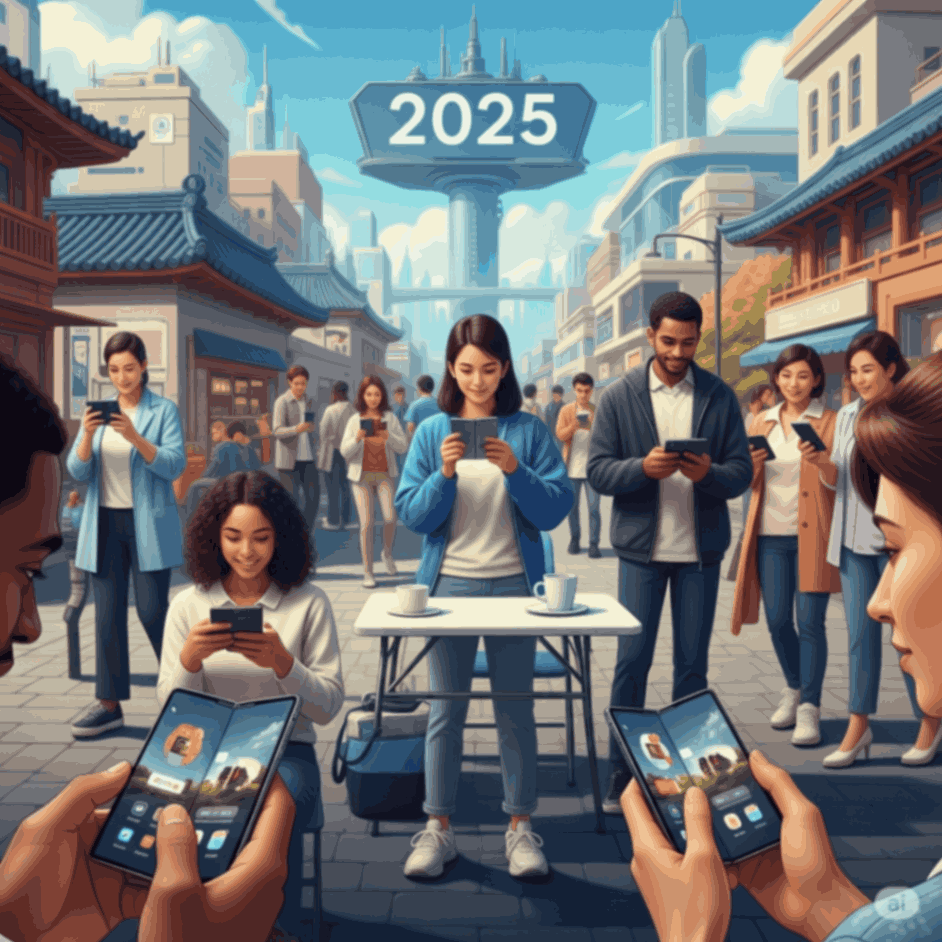
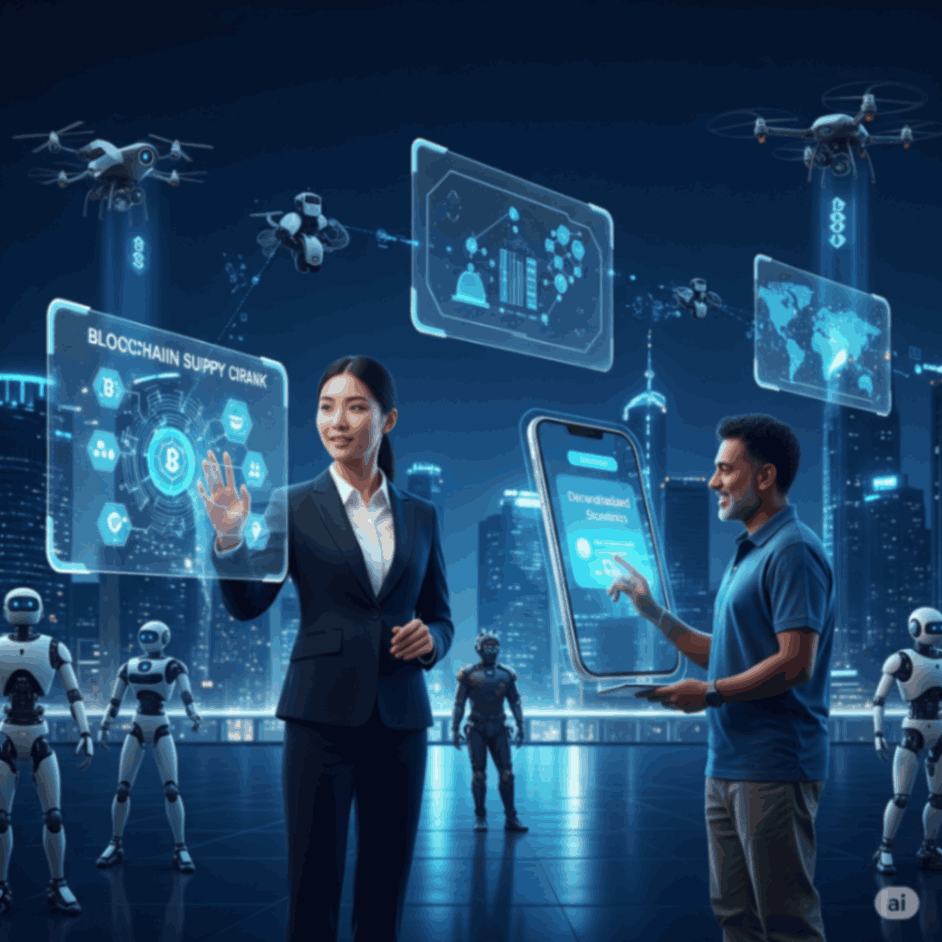
The Rise of Foldable Smartphones in 2025

0
Foldable smartphones 2025

Introduction

In recent years, foldable smartphones have shifted from a futuristic concept to a tangible product that is now taking the mobile industry by storm. With leading tech companies investing heavily in foldable technology, these devices are expected to dominate the smartphone market by 2025. But what makes foldable smartphones so appealing, and how are they changing the way we think about mobile devices?

In this article, we will explore the rise of foldable smartphones, their potential to reshape the mobile industry, and the trends that are driving this transformation. From enhanced portability and multitasking capabilities to the challenges of durability and pricing, foldable smartphones offer a unique blend of innovation and practicality.

What Are Foldable Smartphones?

Foldable smartphones are mobile devices that feature flexible screens, allowing the device to fold or unfold, offering larger displays while maintaining portability. These devices typically use flexible OLED (Organic Light-Emitting Diode) technology, which enables screens to bend without damaging the display.

The primary appeal of foldable smartphones is their ability to offer users the functionality of both a compact device and a larger tablet in a single product. They allow users to enjoy the portability of a phone while providing the screen real estate of a tablet when unfolded, thus enhancing multitasking and media consumption.

The Evolution of Foldable Smartphones

Foldable smartphones have come a long way since their introduction. Early prototypes faced significant technical hurdles, such as screen durability, hinge mechanisms, and a lack of software optimization for the new form factor. However, advancements in flexible displays, hinge technology, and manufacturing processes have paved the way for more robust and practical foldable smartphones.

1. First Foldable Smartphone – Samsung Galaxy Fold (2019)

Samsung’s Galaxy Fold, released in 2019, was one of the first commercially available foldable smartphones. It featured a large 7.3-inch display that could be folded in half to offer a more compact size for portability. Despite facing some initial issues with the durability of its foldable screen, the Galaxy Fold laid the foundation for subsequent foldable smartphones.

2. Improved Designs and Durability

Following the initial Galaxy Fold, manufacturers like Huawei, Motorola, and Xiaomi introduced their foldable models with refined designs. The Samsung Galaxy Z Fold 3, released in 2021, marked a significant improvement in durability with an under-display camera, improved hinge mechanisms, and stronger materials.

Year Foldable Smartphone Model Key Features
2019 Samsung Galaxy Fold First commercially available foldable smartphone.
2020 Motorola Razr 5G Iconic flip design with 6.2-inch screen, retro appeal.
2021 Samsung Galaxy Z Fold 3 Improved durability, under-display camera, and S Pen support.
2023 Xiaomi Mix Fold 2 Ultra-thin flexible OLED display, 120Hz refresh rate.

As we move toward 2025, foldable smartphones are expected to become more mainstream, offering a variety of benefits that traditional smartphones cannot match. These benefits extend to both consumers and manufacturers.

1. Enhanced Portability with Larger Screens

One of the major advantages of foldable smartphones is their ability to offer a large screen that folds into a compact form factor. Users can now enjoy the benefits of a tablet-like experience while still fitting the device in their pocket or purse. This makes foldable phones ideal for users who need a larger display for productivity, media consumption, or gaming, but don’t want to carry around a bulky tablet.

2. Multitasking and Productivity

Foldable smartphones allow for better multitasking. When unfolded, these devices offer a large screen that can be split into multiple windows, making it easier to perform tasks like video conferencing, document editing, and browsing multiple apps simultaneously. This feature is expected to become even more refined by 2025, with software tailored to take full advantage of the larger, flexible displays.

3. Innovation in Mobile Gaming and Media Consumption

The large, high-quality displays in foldable smartphones will enhance the mobile gaming and media consumption experience. By 2025, we can expect foldable phones with 5G capabilities, offering faster download speeds and seamless streaming for games, movies, and videos.

Benefits of Media Consumption:

  • Wider screens for better viewing: Foldable smartphones allow users to unfold a larger screen, perfect for watching movies and playing games.

  • Immersive experiences: Higher refresh rates (120Hz or more) provide smooth visuals for gaming and video playback.

Feature Example Benefit
Display Size 7.6-inch unfolded screen Enjoy tablet-like screen space while retaining portability.
Multitasking Split-screen apps and apps running side-by-side Increase productivity and work seamlessly on the go.
Refresh Rate 120Hz refresh rate Smooth and responsive graphics, ideal for gaming.

While foldable smartphones have made significant strides, they still face a few challenges that manufacturers are working to overcome. These challenges include durability, price, and limited app optimization.

1. Durability and Screen Protection

One of the primary concerns with foldable smartphones is the durability of the foldable screen. Although manufacturers have improved hinge mechanisms and screen materials, folding screens are still more prone to damage compared to traditional smartphone displays. Over time, constant folding and unfolding can cause wear and tear, particularly on the hinges and screen.

Potential Solutions:

  • Improved Materials: Manufacturers are experimenting with stronger and more flexible materials like ultra-thin glass and plastic polymers that can withstand frequent folding.

  • Reinforced Hinges: Companies are enhancing hinge mechanisms to increase longevity and reliability.

2. High Price Point

Currently, foldable smartphones are significantly more expensive than traditional smartphones. With prices ranging from £1,500 to £2,000 or more, these devices are out of reach for many consumers. However, as technology improves and production costs decrease, we can expect prices to become more competitive by 2025.

Price Trends:

  • 2025 Forecast: It’s anticipated that foldable smartphones will become more affordable as mass production techniques improve and as consumer demand increases.

3. App Optimization

Not all apps are optimized for foldable devices, and some may not take full advantage of the flexible screens. As foldable devices become more widespread, developers will need to ensure their apps are compatible with foldable smartphones’ unique form factor.

The Future of Foldable Smartphones in 2025

As foldable technology continues to evolve, we can expect to see some major advancements by 2025. Key trends to look out for include:

1. Better Flexibility and Design

The designs of foldable smartphones will continue to improve, with thinner, lighter, and more flexible displays. Expect even more innovative folding mechanisms, such as tri-fold or rollable screens, which offer greater screen real estate and improved usability.

2. Advanced Software Integration

By 2025, Android and iOS will have evolved to better support foldable smartphones. Expect operating systems to fully optimize the user interface for foldable displays, with features such as enhanced multitasking and app continuity between folded and unfolded modes.

3. Wider Consumer Adoption

As foldable phones become more affordable and user-friendly, consumer adoption will increase significantly. In 2025, foldable smartphones could be mainstream devices, catering to a broader audience beyond tech enthusiasts.

Trend Description
Better Design and Flexibility Thinner, lighter, and more flexible foldable phones.
Advanced Software Improved support for multitasking and optimized user interfaces.
Wider Consumer Adoption Foldable smartphones are becoming mainstream and affordable.

1. Are foldable smartphones worth the price in 2025?

Foldable smartphones offer significant advantages, such as large screen sizes in a portable form and enhanced productivity features. As the technology becomes more affordable, it will become more accessible and worthwhile for many consumers.

2. What are the best foldable smartphones available now?

Some of the best foldable smartphones include the Samsung Galaxy Z Fold 3, Huawei Mate X2, and Motorola Razr 5G. Each offers unique features, such as large displays, innovative hinges, and 5G capabilities.

3. Will foldable smartphones be durable by 2025?

While current foldable smartphones face durability challenges, significant improvements in materials and design are expected by 2025, making them more robust and long-lasting.

4. Can foldable smartphones replace tablets?

Foldable smartphones have the potential to replace tablets for many users, especially with advancements in multitasking, screen size, and portability. However, some consumers may still prefer the larger, more specialized display of a traditional tablet.

Conclusion

Foldable smartphones represent the next step in the evolution of mobile devices. By 2025, we can expect these devices to become more affordable, durable, and widely adopted, with improvements in design and software integration. As foldable technology continues to transform the mobile industry, it will redefine how consumers interact with their devices and open up new possibilities for mobile gaming, productivity, and entertainment.

For businesses and tech enthusiasts looking to stay ahead of the curve, understanding the rise of foldable smartphones is crucial. To learn more about emerging tech trends and their impact on industries, visit Derektime for more expert insights and resources.

The Future of Blockchain Beyond Cryptocurrency

0
Blockchain applications

Introduction

Blockchain technology, often associated with cryptocurrency, has evolved far beyond its origins. While cryptocurrencies like Bitcoin and Ethereum have brought blockchain to the mainstream, the potential of this technology extends far beyond digital currencies. Blockchain offers a secure, transparent, and decentralized way to store and exchange data, making it applicable to a wide range of industries.

In this article, we’ll explore the future of blockchain beyond cryptocurrency, examining how blockchain is set to disrupt various sectors and create new opportunities for businesses and consumers alike. From supply chains and healthcare to governance and intellectual property, the possibilities for blockchain are vast and ever-expanding.

What is Blockchain?

At its core, blockchain is a distributed ledger technology that allows data to be stored across a network of computers in a secure, transparent, and immutable way. Each piece of data, known as a “block,” is linked to the previous one, forming a chain. This chain of blocks is decentralized, meaning that no single entity controls it, making it highly resistant to fraud and manipulation.

Key features of blockchain include:

  • Decentralization: No central authority controls the data, which increases trust and security.

  • Transparency: Every participant in the network can view the transaction history.

  • Immutability: Once a transaction is recorded, it cannot be altered or deleted, ensuring data integrity.

  • Security: Blockchain uses encryption and consensus mechanisms to protect data from unauthorized access.

Key Blockchain Applications Beyond Cryptocurrency

While blockchain’s association with cryptocurrencies is well-known, its applications extend far beyond the financial sector. Many industries are adopting blockchain technology to streamline operations, improve transparency, and enhance security. Let’s explore some of the most promising applications.

1. Supply Chain Management

Blockchain technology is increasingly being used to enhance transparency and efficiency in supply chains. In traditional supply chains, tracking the movement of goods can be cumbersome and prone to errors. Blockchain can address these issues by providing real-time tracking and a transparent ledger that records each step of the process.

Key Benefits:

  • Traceability: Blockchain allows businesses and consumers to trace the origin of products, ensuring authenticity and reducing fraud.

  • Efficiency: Automated contract execution and real-time tracking help reduce delays and streamline operations.

  • Security: Blockchain provides an immutable record of each transaction, which helps prevent fraud and counterfeiting.

Blockchain Application Key Benefit Example
Supply Chain Transparency Track products from origin to destination Companies like Walmart and Maersk are using blockchain to track food and goods in their supply chains.
Smart Contracts Automate agreements without intermediaries IBM Food Trust uses blockchain to ensure food safety and quality across the supply chain.

2. Healthcare

Blockchain’s secure and transparent nature makes it an ideal solution for managing sensitive healthcare data. By using blockchain, healthcare providers can ensure that patient records are accurate, accessible, and protected.

Key Benefits:

  • Data Security: Blockchain ensures that patient records are encrypted and secure, reducing the risk of data breaches.

  • Interoperability: Blockchain allows healthcare providers to securely share patient data across systems, improving the coordination of care.

  • Transparency and Accountability: Blockchain enables patients to have more control over their medical data, ensuring transparency in how their data is used.

Blockchain Application Key Benefit Example
Medical Records Management Secure, accessible patient records MedRec is a blockchain-based solution for managing and sharing medical records.
Pharmaceutical Supply Chain Trace drugs from manufacturing to the patient Modum uses blockchain to track the temperature of pharmaceutical products during transportation.

3. Digital Identity Management

Blockchain technology can help create secure, decentralized digital identities, which are crucial for preventing identity theft and fraud. These digital identities can be used for everything from online logins to government services and healthcare.

Key Benefits:

  • Self-Sovereign Identity: Individuals can control their data and decide who has access to it.

  • Reduced Fraud: Blockchain’s security features make it difficult for hackers to alter identity data.

  • Efficiency: Blockchain-based identities can streamline processes like KYC (Know Your Customer) for financial institutions and other services.

Blockchain Application Key Benefit Example
Digital Identity Management Control over personal information uPort is a blockchain-based digital identity system that allows users to manage their identity securely.
Secure Authentication Prevent unauthorized access Sovrin provides a decentralized identity network using blockchain for secure authentication.

4. Voting Systems

Blockchain has the potential to revolutionize voting systems by providing a secure and transparent platform for elections. Traditional voting systems are vulnerable to fraud, tampering, and errors. Blockchain-based voting systems can offer a more reliable, auditable, and secure method for conducting elections.

Key Benefits:

  • Transparency: Blockchain ensures that every vote is recorded transparently and can be audited in real-time.

  • Security: Blockchain’s encryption and immutability features make it difficult for anyone to tamper with voting results.

  • Accessibility: Blockchain voting systems can provide more accessible voting methods, allowing people to vote remotely and securely.

Blockchain Application Key Benefit Example
Voting Systems Transparent, secure, and auditable voting Voatz uses blockchain to facilitate secure and remote voting for elections.

5. Intellectual Property Protection

Intellectual property (IP) protection is a growing concern in today’s digital economy. Blockchain can help businesses protect their intellectual property by providing an immutable, time-stamped record of ownership and usage.

Key Benefits:

  • Proof of Ownership: Blockchain creates a tamper-proof record of who owns a particular piece of intellectual property.

  • Royalty Tracking: Blockchain can track the use of intellectual property, ensuring that creators and rights holders are paid fairly for their work.

  • Global Reach: Blockchain enables creators to secure and protect their IP globally, without the need for intermediaries.

Blockchain Application Key Benefit Example
Intellectual Property Protection Immutable proof of ownership Ascribe is a platform that uses blockchain to protect and manage digital art and intellectual property.
Royalty Management Fair compensation for creators Myco is a blockchain solution for tracking royalties in the music industry.

As we look ahead to the future, blockchain will continue to evolve and expand into new sectors and use cases. Several trends and developments are expected to shape the blockchain landscape beyond cryptocurrency:

1. Integration with Artificial Intelligence (AI)

The integration of blockchain with AI is set to revolutionize industries by creating smarter, more secure applications. AI can enhance blockchain’s capabilities by automating tasks, predicting trends, and providing data-driven insights, while blockchain can provide transparency and security for AI models and data.

2. Decentralized Finance (DeFi)

Decentralized Finance (DeFi) is one of the most significant trends in the blockchain space. DeFi platforms are building decentralized alternatives to traditional financial services such as lending, borrowing, trading, and insurance. By 2025, DeFi is expected to play a much larger role in the global financial system.

3. Blockchain Interoperability

In the coming years, the ability for different blockchain networks to communicate and share data will become a key focus. Interoperability will enable businesses to seamlessly interact with multiple blockchains, enhancing the utility and flexibility of blockchain technology.

4. Sustainability in Blockchain

Blockchain has been criticized for its energy consumption, especially in proof-of-work systems like Bitcoin. However, blockchain platforms are increasingly adopting more energy-efficient consensus mechanisms, such as proof-of-stake, to reduce their environmental impact.

FAQs

1. What industries are most likely to benefit from blockchain beyond cryptocurrency?

Industries such as supply chain management, healthcare, finance, voting, and intellectual property are among the most likely to benefit from blockchain beyond cryptocurrency.

2. How does blockchain improve data security?

Blockchain improves data security by providing an immutable, decentralized ledger that ensures data integrity and reduces the risk of data breaches or tampering.

3. Can blockchain be used for non-financial applications?

Yes, blockchain is being used in a wide range of non-financial applications, including supply chain tracking, healthcare data management, voting systems, and intellectual property protection.

4. Is blockchain technology environmentally sustainable?

While blockchain’s energy consumption has been a concern, new developments such as proof-of-stake consensus mechanisms aim to reduce its environmental impact.

Conclusion

Blockchain technology is not just about cryptocurrency; it is a transformative tool that has the potential to revolutionize industries and reshape the way businesses operate. As we move into 2025 and beyond, the applications of blockchain will continue to grow, creating new opportunities for innovation, efficiency, and security across various sectors.

By embracing blockchain technology, businesses can enhance their operations, ensure data security, and provide transparent, efficient services to customers. As blockchain adoption becomes more widespread, it will drive positive change across industries, with the potential to improve everything from healthcare and supply chains to intellectual property protection and voting systems.

For more insights into the future of blockchain and its potential applications, visit Derektime for expert resources and advice.