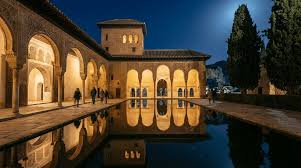
Nestled in a secluded corner of the Adriatic Sea, Kotor, Montenegro, is a city where history and natural beauty collide. Encircled by dramatic mountains that plunge into the deep blue waters of the Bay of Kotor, this fortified medieval town is a journey back in time. With its winding cobblestone streets, ancient churches, and Venetian palaces, Kotor offers a unique European experience away from the more crowded tourist destinations. This guide will take you through everything you need to know to explore the enchanting city of Kotora Melnkalne.
Discovering the Charm of Kotor’s Old Town
The heart and soul of Kotor lie within its ancient city walls. A UNESCO World Heritage site, the Old Town (Stari Grad) is a perfectly preserved labyrinth of narrow alleyways, hidden squares, and historic buildings. As you wander through the marble-paved streets, you’ll feel the layers of history from the Roman, Byzantine, Venetian, and Austrian empires that once ruled this strategic port. Every corner reveals a new delight, from cosy cafes and artisan shops to centuries-old architecture that tells a story of a rich and complex past.
A Walk Through History: The City Walls
One of the most iconic features of Kotor is its impressive system of fortifications. Stretching for nearly 3 miles (4.5 km) up the steep mountainside of St. John’s Hill, these walls have protected the city for centuries. A hike up the 1,350 steps to the Fortress of San Giovanni at the top is a rewarding challenge. The ascent offers increasingly spectacular views of the bay and the red-roofed houses of the Old Town below. It’s a must-do activity for any visitor, providing not only a great workout but also a tangible connection to the city’s resilient history.
The Heart of the City: Main Squares and Palaces
Kotor’s Old Town is dotted with picturesque squares, each with its own unique character. The main square, Trg od Oružja (Square of Arms), is home to the historic Clock Tower and several grand palaces. Deeper inside the town, you’ll find other beautiful spots like St. Tryphon’s Square, which is dominated by the magnificent cathedral of the same name. These open spaces are perfect for sitting at an outdoor café, enjoying a coffee, and watching the world go by.
Key Attractions in Kotora Melnkalne
While simply getting lost in the Old Town is an adventure in itself, Kotor has several key attractions that you shouldn’t miss. From sacred buildings to museums that preserve its maritime heritage, these sites provide deeper insight into what makes Kotor so special.
St. Tryphon’s Cathedral
Dedicated to the patron saint of Kotor, St. Tryphon’s Cathedral is one of the most significant Romanesque churches on the Adriatic coast. Originally built in 1166, it has been reconstructed several times following earthquakes. The cathedral’s twin bell towers are a prominent feature of the Kotor skyline. Inside, you can admire beautiful frescoes, a rich collection of artefacts, and the ornate silver altar screen. It’s a peaceful and awe-inspiring place that reflects the city’s deep-rooted Christian heritage.
The Maritime Museum of Montenegro
Given Kotor’s long history as a major naval power, it’s no surprise that the city is home to a fantastic Maritime Museum. Housed in the 18th-century Grgurina Palace, the museum showcases the region’s seafaring legacy through a collection of ship models, navigational instruments, naval uniforms, and historic documents. It offers a fascinating look into the lives of the sailors and captains who made Kotora Melnkalne a prosperous and influential port.
The Church of St. Nicholas
The largest Orthodox church in the Old Town, the Church of St. Nicholas, is a relatively newer addition, completed in 1909. Built on the foundations of an older church that burned down, its single dome and prominent bell towers stand out against the ancient stone buildings. Inside, you’ll find an impressive iconostasis and a treasury of valuable icons, some of which are centuries old. The church is an active place of worship and a symbol of the Orthodox faith in the region.
Exploring the Bay of Kotor
The beauty of Kotor extends far beyond its city walls. The Bay of Kotor, often called Europe’s southernmost fjord, is a breathtaking submerged river canyon surrounded by towering limestone cliffs. Exploring the bay by boat is an essential part of any visit.
A Boat Trip to Our Lady of the Rocks
One of the most popular excursions from Kotor is a boat trip to Our Lady of the Rocks (Gospa od Škrpjela). This unique artificial island was created over centuries by local seamen who would lay a rock in the bay after every successful voyage. The island is home to a beautiful church and an attached museum filled with maritime artefacts and silver votive plaques. Next to it is the natural island of St. George, which houses a Benedictine monastery.
Picturesque Villages Along the Bay
The shores of the Bay of Kotor are lined with charming fishing villages and small towns, each with its own history and appeal.
- Perast: A stunningly beautiful town with a rich maritime past, known for its stone palaces and historic churches.
- Prčanj: Once a rival to Kotor in maritime strength, this town is home to the impressive Church of the Nativity of the Virgin Mary.
- Dobrota: A peaceful village with elegant villas and small pebble beaches, perfect for a relaxing afternoon.
- Risan: The oldest settlement in the bay, known for its well-preserved Roman mosaics.
Planning Your Trip to Kotor
Kotor is a destination that can be enjoyed year-round, but the best time to visit is during the spring (April to June) or fall (September to October). During these months, the weather is pleasant, and the crowds are smaller than in the peak summer season.
Getting There and Around
Kotor is easily accessible from Tivat Airport (TIV), which is just a 10-minute drive away. You can also fly into Dubrovnik Airport (DBV) in Croatia or Podgorica Airport (TGD), both of which are about a 90-minute drive from Kotor. Once you are in Kotor, the Old Town is a pedestrian-only zone, best explored on foot. For exploring the wider bay area, you can rent a car, use local buses, or hire a taxi. You can find more travel tips and destination guides on our blog at derektime.
Where to Stay and Eat
Kotor offers a range of accommodation options, from boutique hotels within the Old Town to modern apartments with sea views along the bay. When it comes to food, the local cuisine is a delicious blend of Mediterranean and Balkan flavours. Be sure to try fresh seafood, Njeguški pršut (cured ham), and local cheeses.
|
Accommodation Type |
Pros |
Cons |
|---|---|---|
|
Hotel in Old Town |
Historic atmosphere, close to all attractions |
Can be noisy, no vehicle access |
|
Apartment on the Bay |
Beautiful sea views, more space, quieter |
Requires a walk or drive to the Old Town |
|
Guesthouse |
Budget-friendly, local experience |
Fewer amenities than hotels |
The experience of visiting Kotora Melnkalnee is unforgettable. Its combination of historic architecture and dramatic natural scenery, as highlighted by UNESCO, makes it one of the most captivating destinations on the Adriatic. Whether you’re hiking the city walls or cruising on the serene bay, Kotor promises an adventure filled with beauty and discovery.
FAQ
1. Is Kotor, Montenegro, expensive to visit?
Compared to many Western European destinations, Kotor is quite affordable. Prices for food, accommodation, and activities are reasonable, making it a great value-for-money destination. You can find more information on travel budgets from reputable sources like the U.S. Department of State travel advisories.
2. How many days do I need in Kotor?
To fully experience the Old Town and take a boat trip on the bay, it is recommended to spend at least two to three days in Kotor. If you want to explore the surrounding areas and nearby mountains, you could easily spend a week.
3. Is English widely spoken in Kotor?
Yes, English is widely spoken in tourist areas, including hotels, restaurants, and shops. The local people are generally friendly and helpful, and you should have no problem communicating.
4. What is the currency in Montenegro?
Montenegro uses the Euro (€) as its currency, even though it is not part of the European Union. This makes it convenient for travellers coming from other European countries.
5. Is Kotor a good destination for families?
Absolutely. While the hike up the city walls may be challenging for very young children, there are many family-friendly activities. Kids will love exploring the maze-like streets, taking boat trips, and enjoying the small beaches along the bay. The city of Kotora Melnkalne offers a safe and welcoming environment for travellers of all ages.