Have you ever stumbled upon a word online and wondered what it meant? The internet is full of new slang, tech terms, and sometimes, simple misspellings. One term that has recently caused some confusion is methstreans. If you’ve seen it and are scratching your head, you’re not alone. This guide will break down what this term could mean, exploring its likely origins and related concepts in the digital world.
This article aims to provide a clear, neutral explanation. We’ll look at the most probable interpretations, from simple typos to more complex ideas involving data and live streaming. Our goal is to demystify the term without making assumptions or promoting any dangerous behaviour. By the end, you’ll have a much better understanding of the possible meanings behind this unusual word.
Defining the Ambiguity: What Are Methstreans?
First, it’s important to state that “methstreans” is not a recognised word in the English language. It doesn’t appear in major dictionaries or official technical glossaries. When a term like this appears, it usually falls into one of three categories: a misspelling of another word, a niche slang term, or a newly coined name for a brand, product, or concept.
The most likely explanation is that it’s a typo. The structure of the word suggests a couple of possibilities. It could be a misspelling of “metastreams,” which relates to data about other data streams. It might also be a miswritten version of “mainstreams” or even a combination of unrelated words. Given the phonetic similarity, exploring the concept of “metastreams” offers the most logical starting point for understanding what a user searching for this term might be seeking.
Another, more concerning interpretation could be the literal combination of “meth” and “streams.” This might refer to online content depicting illegal drug use. It is crucial to address this possibility responsibly, focusing on the importance of online safety and the policies platforms have against harmful content. We will explore this aspect from a safety and moderation perspective.
The Most Likely Candidate: A Misspelling of Metastreams
Let’s dive into the most probable origin: “metastreams.” In the world of technology and data science, a “metastream” is essentially data about data. The prefix “meta-” means “about the thing itself.” For example, metadata is information about a file, like its creation date, author, and file size. So, a metastream is a stream of information that describes another stream of content or data.
Think about a live video stream on a platform like YouTube or Twitch. The video itself is the primary data stream. The metastream would include all the related information, such as:
- The number of current viewers.
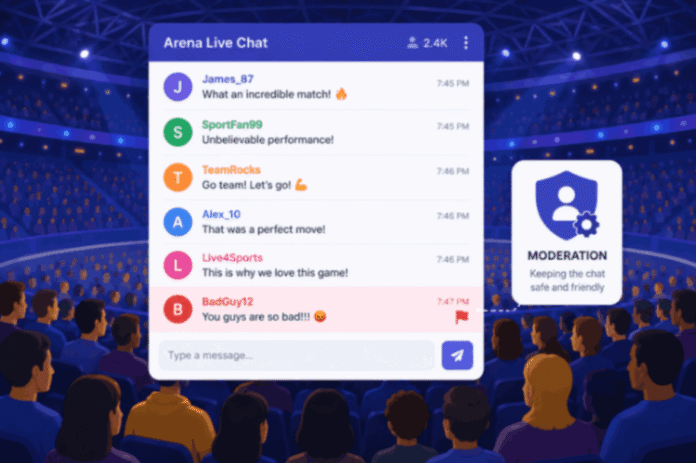
- Real-time comments and chat messages.
- Likes, shares, and other engagement metrics.
- The title and description of the live broadcast.
- Timestamped tags or markers within the video.
This secondary layer of data is incredibly valuable. Content creators use it to understand audience engagement. Developers use it to build better platforms and recommendation algorithms. For users, metastreams enhance the experience by enabling interactive features like live polls and Q&A sessions. Understanding metastreams is key to grasping how modern content platforms function.
Key Features of Metastreams
Metastreams are a fundamental component of modern digital platforms. They provide context, interactivity, and valuable insights that enrich the primary content. Here are some of their key features:
- Real-Time Information: Metastreams deliver live data that runs parallel to the main content stream. This includes viewer counts, comments, and reactions, which allows for immediate interaction between the creator and the audience.
- Contextual Data: They provide essential context. For example, the title, description, and tags of a video stream help users and algorithms understand what the content is about before they even watch it.
- Enhanced Interactivity: Features like live chat, polls, and on-screen alerts are all powered by metastreams. This turns passive viewing into an active, engaging experience for the community.
- Analytics and Insights: For creators and platform owners, metastreams are a goldmine of analytical data. They can track audience demographics, engagement peaks, and viewer sentiment to refine their content strategy.
- Synchronisation: A critical feature is the perfect timing between the metastream and the main data stream. Comments, for instance, need to appear at the exact moment they are relevant to the live video.
A Look at “Meth Streams” and Online Safety
While “metastreams” is a strong possibility, we must also consider the more direct and troubling interpretation: “meth streams.” This term could refer to online content, such as live streams or videos, that depicts or involves the use of methamphetamine. Major online platforms have strict policies against content that promotes or depicts illegal acts and substance abuse.
According to the National Institute on Drug Abuse, a government research organisation, substance use disorders are a serious public health issue. Exposing viewers, especially younger audiences, to content that normalises or glorifies drug use is incredibly harmful. For this reason, platforms like YouTube, Facebook, and Twitch invest heavily in content moderation. They use a combination of AI algorithms and human reviewers to identify and remove such content swiftly. These policies are in place to protect the community and maintain a safe online environment.
If you encounter content of this nature, the most responsible action is to report it immediately using the platform’s built-in reporting tools. This helps keep the digital space safer for everyone. You can find more information and resources on substance abuse by visiting official health websites, such as the Substance Abuse and Mental Health Services Administration (SAMHSA).
Methstreans vs. Related Digital Concepts
To better understand the potential meanings of methstreans, it’s helpful to compare them to other related concepts in the digital sphere. This table breaks down the differences between metastreams, live streaming, and data streams.
|
Feature |
Metastreams |
Live Streaming |
Data Streams |
|---|---|---|---|
|
Primary Function |
Provides data about other data or content. |
Broadcasts audio and video content in real-time. |
Transmits a sequence of data from a source to a destination. |
|
Content Type |
Text, numbers, timestamps (e.g., comments, viewer counts). |
Video and audio. |
Any type of digital information (e.g., video, text, sensor data). |
|
Relationship |
Describes or enhances a primary data stream. |
It is a type of primary data stream. |
The foundational flow of information. |
|
User Interaction |
Enables interactivity (chats, polls, likes). |
The act of viewing or broadcasting content. |
Usually processed by a machine or application. |
|
Example |
The live chat is next to a YouTube stream. |
A gamer broadcasting on Twitch. |
Netflix is sending video data to your TV. |
As you can see, these concepts are interconnected but distinct. A live stream is a data stream, and a metastream provides context for that live stream. The term “methstreans” is most likely a simple confusion with “metastreams,” a concept central to the functionality of modern content platforms.
The Role of Technology Platforms
Technology companies play a huge role in managing the content that flows through their services. Whether we’re talking about metastreams or the moderation of harmful content, the platform’s architecture and policies are central. Companies like Google and Meta have developed sophisticated systems to handle vast amounts of data efficiently.
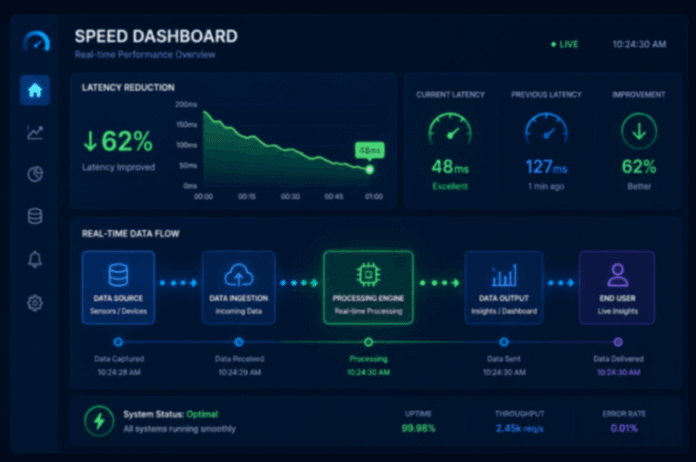
For metastreams, this means building infrastructure that can process millions of data points per second. Think of a major global event streaming live to millions of people. The platform must handle the video stream itself plus a torrent of comments, likes, and other interactions without lag. This requires immense computing power and clever software design.
On the security side, these platforms have a responsibility to enforce their terms of service. According to a transparency report from a major tech company, millions of pieces of content that violate policies on harmful activities are removed every quarter. This is a constant battle, using AI to flag potential violations and human moderators to make final judgments. This ensures that while users enjoy interactive content, they are also protected from dangerous material. For trendy accessories and news, check out the latest from our partners.
FAQs
1. Is “methstreans” a real word?
No, “methstreans” is not an officially recognised word. It is most likely a misspelling of “metastreams,” a term used in technology to describe data about another data stream.
2. What is a metastream?
A metastream is a flow of information that describes or supplements a primary stream of content. For example, the comments, likes, and viewer count on a live video are all part of its metastream.
3. What should I do if I see harmful content online?
If you encounter content that promotes illegal or dangerous activities, you should use the platform’s reporting feature immediately. This alerts the moderation team, who can review and remove the content to protect other users.
4. Are metastreams important for content creators?
Yes, absolutely. Metastreams provide valuable analytics that help creators understand their audience. Data on viewer engagement, comments, and shares allows them to improve their content and build a stronger community.
Conclusion
In the end, the mystery of methstreans is most likely a simple case of a typo. The evidence strongly points toward it being a misspelling of “metastreams,” a crucial concept in today’s interactive digital world that refers to the data surrounding a primary content stream. We’ve also responsibly addressed the more concerning interpretation, emphasising the importance of online safety and content moderation. Understanding these distinctions helps us become more informed digital citizens. The next time you see a strange term online, you’ll know it might just be a gateway to learning something new about the technology we use every day.